

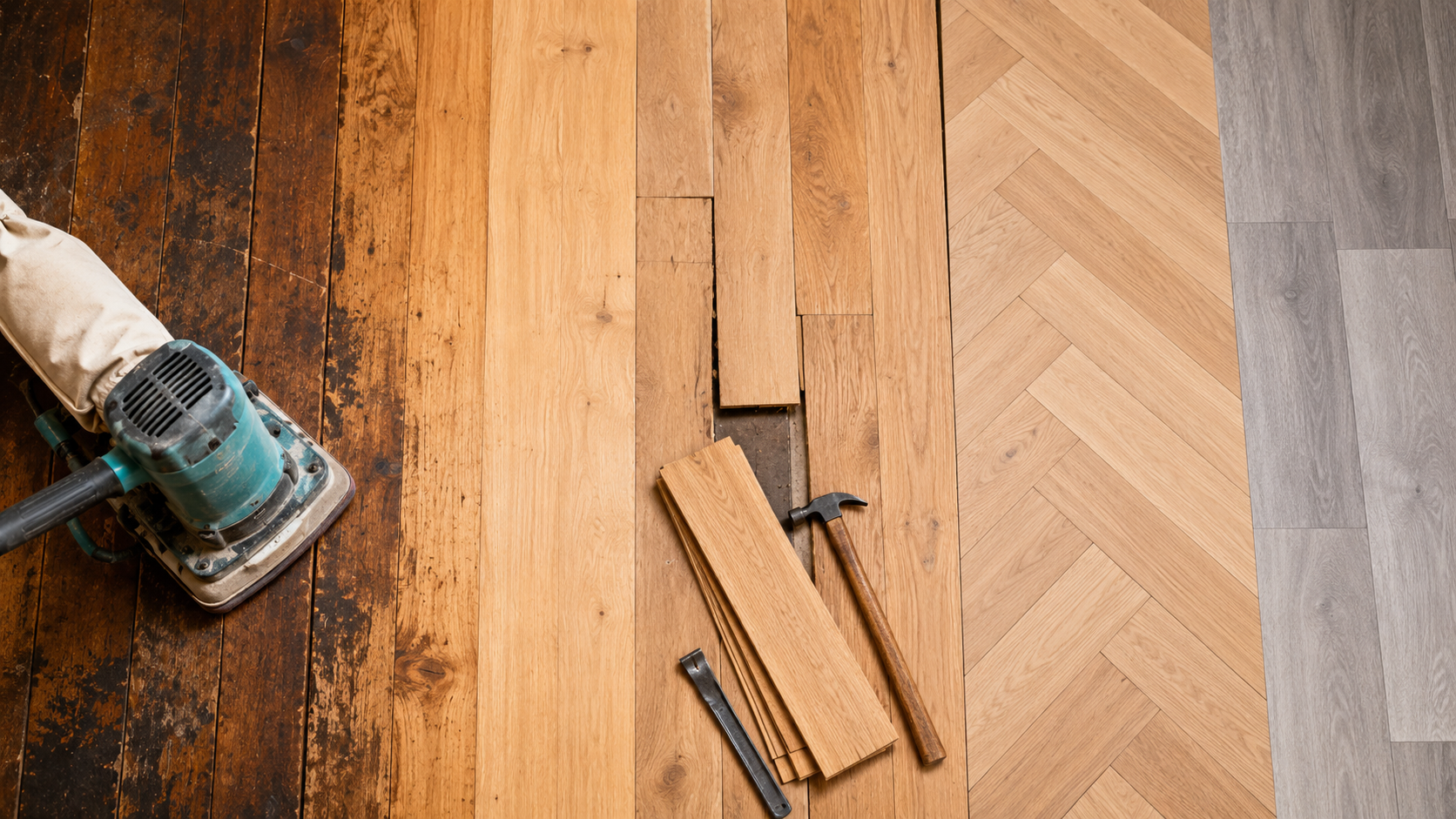
Sand or Repair or Replace: What to Do with Tired Wooden Floors
Sand or Repair or Replace: What to Do with Tired Wooden Floors
Wooden floors bring warmth and character and lasting value to a home. Even the finest boards eventually start to show their age. Scratches and dull patches and stains and gaps and loose boards can all leave you wondering whether your floor needs a light refresh or a complete replacement.
The right answer depends on the condition of the floor and the type of wood beneath your feet and the state of the subfloor below it. This guide from UK Floor Depot walks you through each option so you can make a confident decision and avoid spending money on work that will not last.
When Sanding Is the Right Choice
Sanding works best when a wooden floor is still structurally sound but looks tired on the surface. It removes light scratches and dull finishes and minor marks and general wear. A fresh coat of oil or lacquer can then make the whole room feel brighter and better maintained without the cost of a new floor.
This approach suits most solid wood floors because the boards are thick enough to be sanded several times over their lifetime. Some engineered boards can also be sanded but everything depends on the depth of the top wear layer. A wear layer of around 4mm or more usually allows at least one careful sanding while a thin veneer may not survive the process.
Sanding is not always the answer though. If the boards are thin or uneven or unstable or water damaged then sanding will only improve the appearance for a short time. A floor should not just look better after the work is done. It should also perform better for the way the space is used.
When Repair Makes More Sense Than Replacement
Repair is often the smarter route when the damage is localised rather than widespread. A few loose boards or minor gaps or an isolated stain can usually be fixed without touching the rest of the floor. Individual boards can be lifted and replaced and worn transition strips can be renewed to tidy up doorways and thresholds.
Repair also makes sense as a first step before sanding. Fixing small faults first means the new finish goes onto a sound and stable surface. For offices and shops and rental properties this targeted approach keeps costs down while the floor continues to handle daily traffic.
When Replacement Is the Smarter Decision
Replacement becomes the better option when the floor is badly damaged or heavily worn or simply no longer right for the property. Boards that lift or move or creak constantly are telling you something. Deep stains and water damage and poor original installation are problems that sanding will only hide for a while.
Practical vinyl flooring handles busy family life with ease and dedicated waterproof flooring is the ideal choice for kitchens and bathrooms where moisture would ruin traditional timber.
Know Your Floor Before You Decide
Before committing to any option it helps to understand exactly what you own. Solid wood offers the most restoration potential because the plank is the same timber all the way through. Engineered wood is built from a real timber wear layer bonded to a stable core so its potential depends entirely on the thickness of that top layer.
The subfloor matters just as much as the surface. Movement or unevenness or trapped moisture will undermine any new finish no matter how good it looks on day one. A floor that keeps creaking or separating usually needs deeper preparation before anything new goes down.
Finally think about whether the floor still suits the way you live. If the colour or the layout or the material no longer matches your interior then replacement often delivers better long term value than repeated repairs.
Popular Replacement Options for UK Homes
If replacement is the right call then the choice of material comes next. Solid wood flooring remains the premium option for period properties and for anyone who values authentic timber underfoot.
Engineered wood flooring gives the same real wood surface with far greater stability over underfloor heating and in rooms with changing humidity.
Laminate flooring offers realistic wood designs at accessible prices while luxury vinyl and SPC boards deliver complete water resistance for the most demanding rooms in the house.
Order Free Samples Before You Commit
Choosing a floor from photographs alone is risky because colour and texture change in different light. UK Floor Depot sends out three free samples so you can compare your shortlist at home before spending a penny. Place them next to your walls and furniture and view them in morning light and evening light before making the final call.
Why Choose UK Floor Depot
UK Floor Depot has specialised in quality hard flooring since 1994. Three decades of experience go into every product we select and every piece of guidance we give. Our price match promise keeps premium flooring at the most competitive rates and free delivery brings your order straight to your door.
Our team focuses on helping you choose the right product and calculate the right quantity and pick the correct underlay and accessories for a flawless result. For more help our detailed flooring guide answers the most common questions or you can contact us for tailored advice on your project.
Final Thoughts
Deciding whether to sand or repair or replace a tired wooden floor comes down to an honest assessment. Sanding refreshes a strong floor. Repair solves localised problems. Replacement is the smarter investment when the existing floor is damaged or dated or no longer fit for purpose. With the right information you can avoid unnecessary work and choose a solution that looks beautiful and performs for decades.
Frequently Asked Questions
Can all wooden floors be sanded?
No. Solid wood floors usually take sanding well because the boards are thick enough for several treatments over their lifetime. Engineered wood depends on the depth of the top wear layer and boards with a very thin veneer are often not suitable.
When should I replace a wooden floor instead of repairing it?
Replacement is usually the better choice when the floor is badly damaged or water affected or unstable or heavily worn. It is also the right move when the style or colour no longer matches the property because repeated repairs rarely deliver good long term value.
What is the best replacement for an old wooden floor?
It depends on the room and your budget. Engineered wood and solid wood keep the authentic timber look. Herringbone and parquet add classic character. Luxury vinyl and waterproof flooring are the safest choices for kitchens and bathrooms while laminate offers excellent value for bedrooms and living spaces.
Can I see the flooring before I buy online?
Yes. UK Floor Depot offers three free samples with no payment required so you can check colour and texture and quality at home before placing your order.
Read more
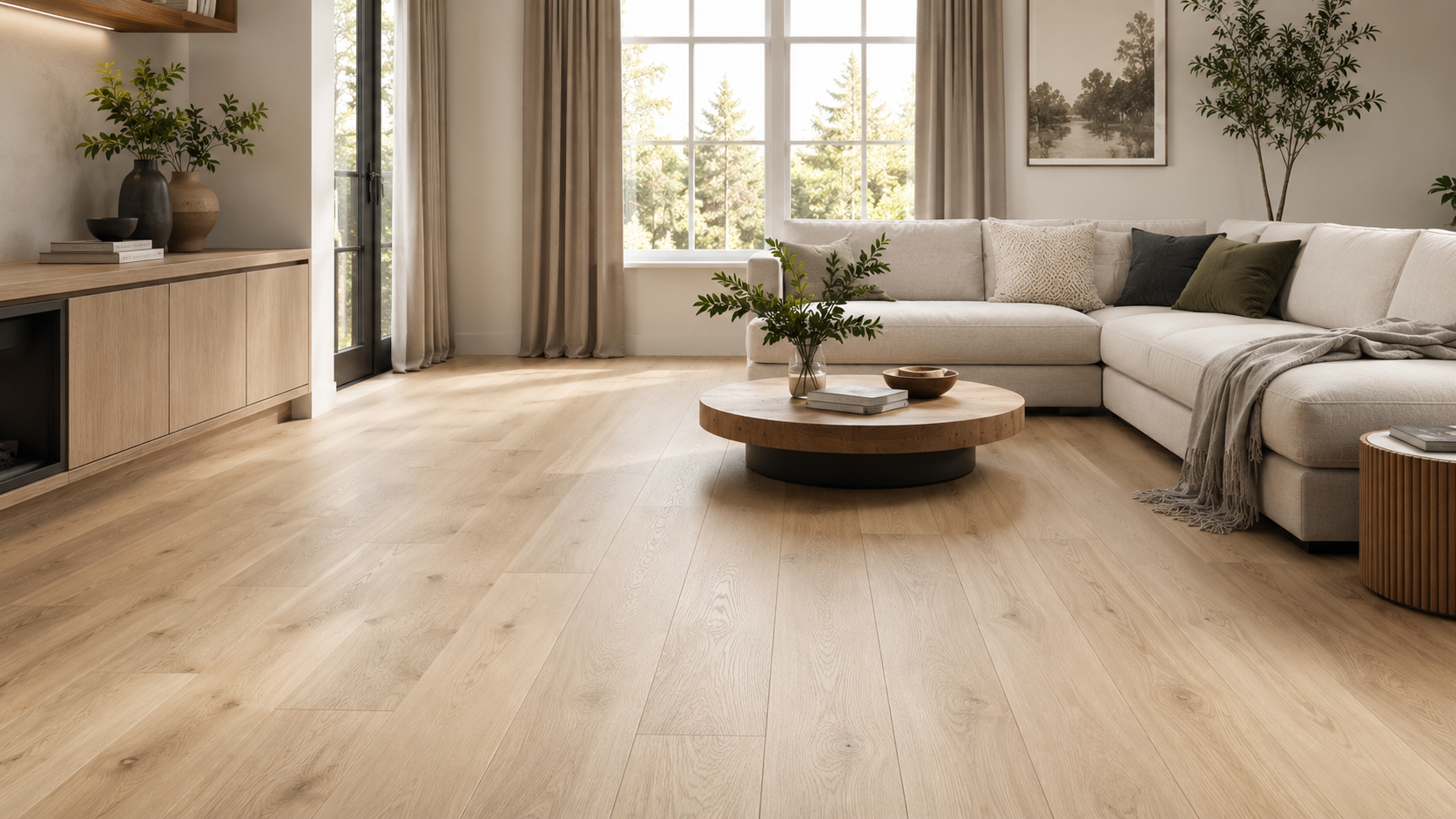
5 Flooring Colours That Make Any Room Look Brighter
The colour of your floor changes how bright and open a room feels more than almost anything else in your home. Discover how light medium dark grey and white flooring each transform a s...
Read more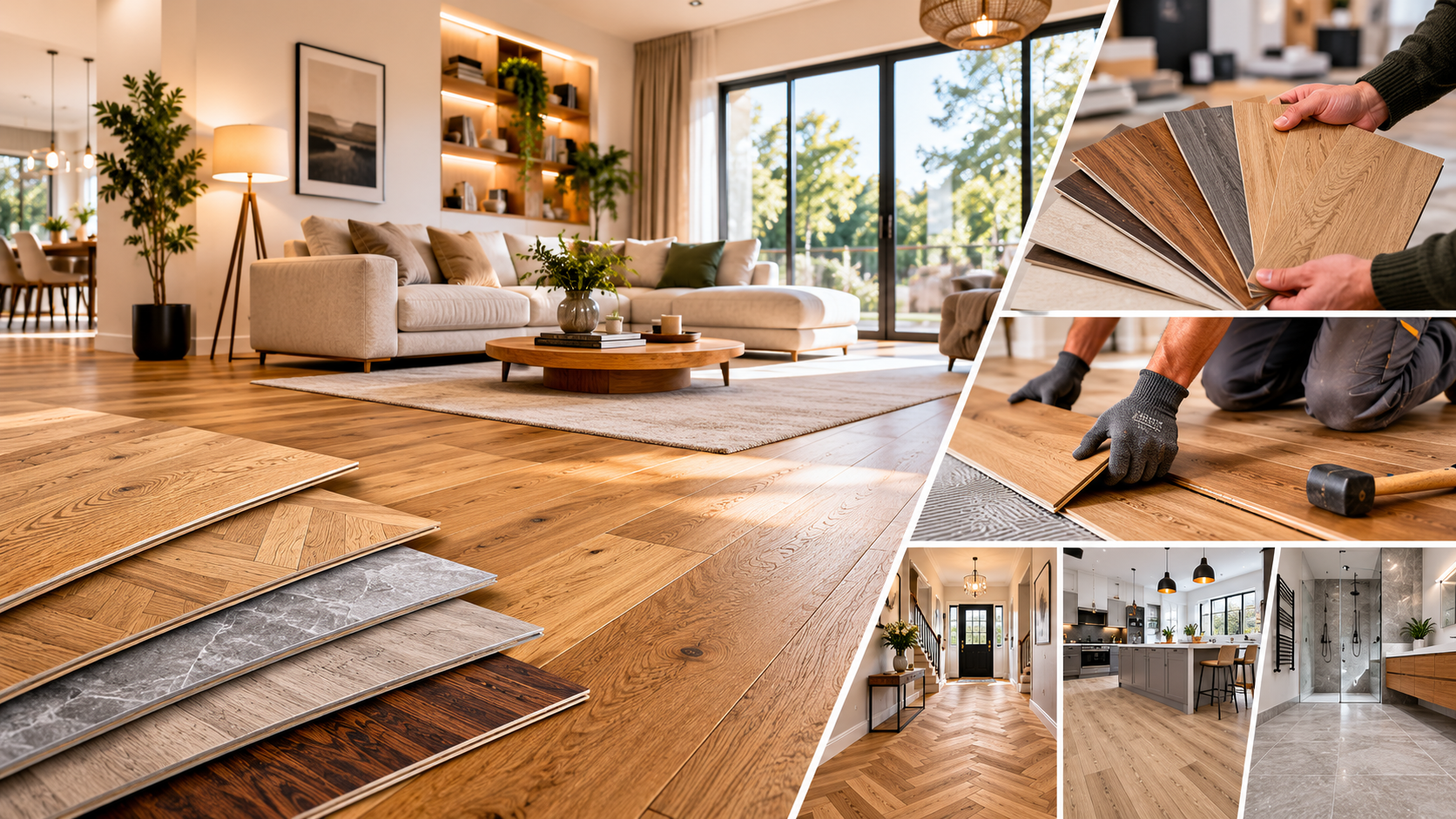
The Complete Flooring Journey From First Idea To Finished Floor
Planning new flooring should feel simple from start to finish. This guide walks you through comparing options and choosing the right floor for every room along with the preparation and fitting deta...
Read more


Leave a comment
This site is protected by hCaptcha and the hCaptcha Privacy Policy and Terms of Service apply.