

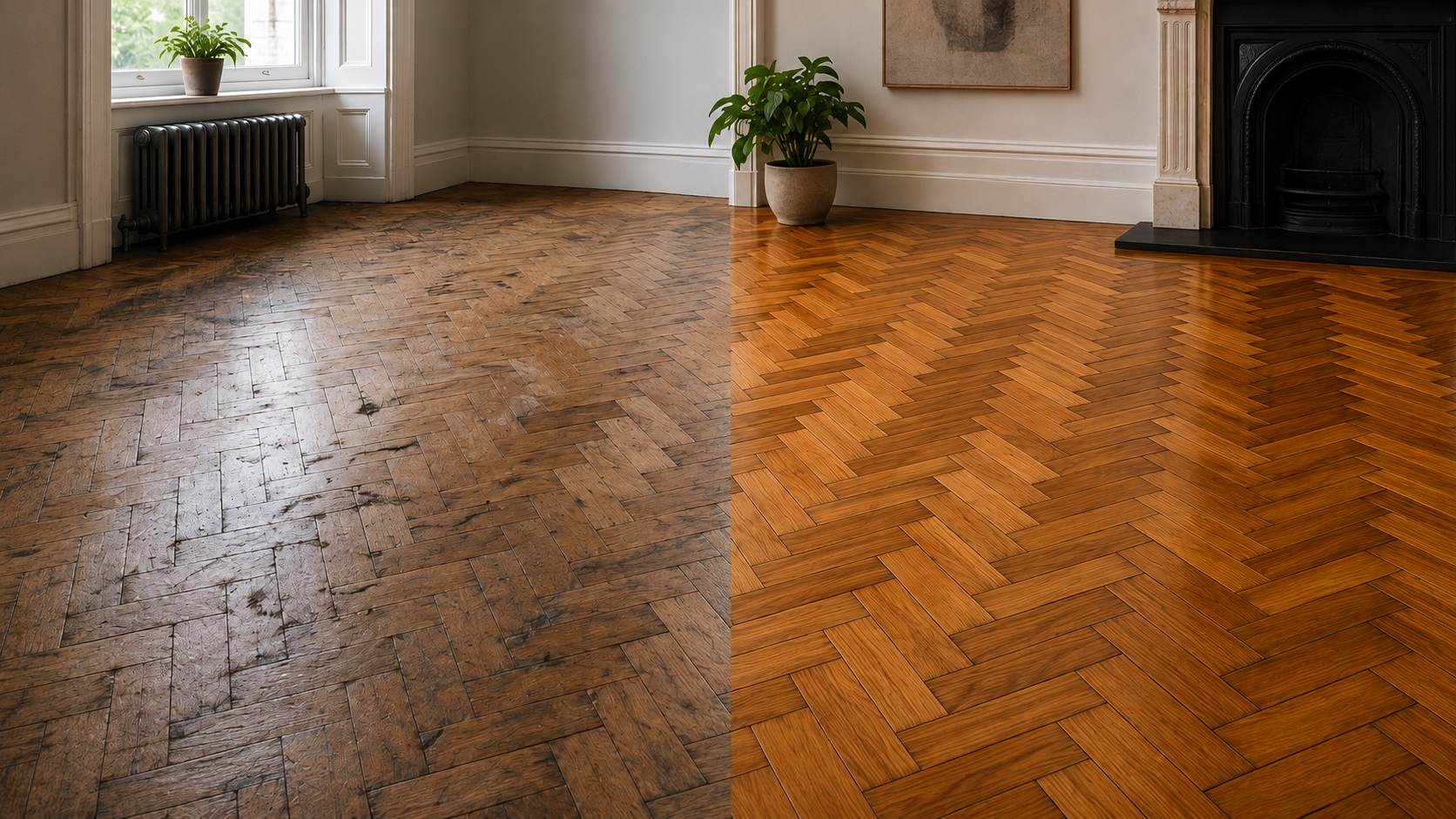
How to Restore Parquet Flooring: An Expert Guide to Renewal and Care
How to Restore Parquet Flooring: An Expert Guide to Renewal and Care
Parquet flooring has a timeless appeal. Its intricate geometric patterns and rich, natural wood character give any room a sense of warmth and craftsmanship that's hard to replicate. But even the most beautiful parquet floor will show its age over time the finish dulls, small gaps appear, and the occasional block works itself loose. The good news is that parquet is remarkably resilient, and with the right approach, it can be brought back to life beautifully.
In this guide, we'll take you through everything you need to know about restoring parquet flooring from spotting the early warning signs to sanding, finishing, and keeping your floor looking its best for years to come.
What Makes Parquet Flooring Unique?
Unlike standard straight plank flooring, parquet is made up of small wooden blocks and strips arranged into eye-catching patterns. The most popular styles are herringbone and chevron both of which you'll find in our Herringbone & Parquet collection. This distinctive construction is what gives parquet its character, but it also means restoration requires a little more care and attention than a conventional wood floor.
When maintained well, parquet is an incredibly durable and long-lasting choice. Whether it's part of our real wood flooring range or a luxury vinyl alternative, restoring it rather than replacing it preserves that original craftsmanship, protects the wood from further damage caused by moisture or dirt, and keeps your floor comfortable and stable underfoot.
When Does Parquet Flooring Need Restoration?
Knowing when to act is half the battle. Here are the most common signs that your parquet floor is ready for some attention:
-Visible scratches or gouges on the surface
-A worn or dull finish that no longer reflects the wood's natural beauty
-Loose or missing blocks creating uneven or unstable areas
-Gaps between blocks collecting dust, dirt, or moisture
-Water damage or discolouration
-Regular cleaning and polishing no longer making a noticeable difference
The sooner you spot these signs, the simpler the restoration process tends to be. Catching wear and damage early helps protect the structure of the floor and keeps the work more manageable.
Understanding the Parquet Floor Restoration Process
Restoring a parquet floor generally involves three stages: repair, sanding, and finishing. Done in the right order and with the right products, the results can be transformative.
Inspect and Repair
Start with a thorough inspection. Carefully remove any loose blocks and clean away old adhesive from the subfloor. Fill gaps using a wood filler that closely matches your floor's colour and grain this keeps the finish looking consistent and adds stability back to the affected areas. For more severe problems such as buckling, warping, or significant moisture damage, hand-scraping or resin repairs may be needed before sanding can begin.
This stage, in particular, benefits from professional expertise. Matching replacement blocks accurately and avoiding the common mistake of over-sanding around repairs makes a real difference to the end result.
Sanding Techniques
Sanding parquet is more involved than sanding a straight plank floor, and that's largely down to the pattern. Because the blocks run in multiple directions, sanding often needs to be carried out diagonally or in alternating passes to avoid leaving visible marks along the grain.
Use a drum or orbital sander with appropriate edging tools, and work with light, even pressure throughout. Heavy-handed sanding can chip the smaller blocks or flatten the natural texture of the wood both of which are difficult to reverse.
Finishing and Sealing
Once sanding is complete, the floor needs to be finished to protect it from moisture and everyday wear. The most common options are lacquer, hardwax oil, and varnish each giving a slightly different look and feel. Lacquer tends to give a more uniform, hard-wearing surface, while oils enhance the natural grain and give a more matte, tactile finish.
If you're looking for something that combines the beauty of wood with added protection, it's also worth considering options from our waterproof flooring range for future installations. You can also use a wood stain at this stage to even out any colour variation or to deepen the tone of the wood. Whatever finish you choose, allow plenty of drying time between coats rushing this step is one of the most common reasons a restoration doesn't last as long as it should.
DIY vs. Professional Restoration: Which Is Right for You?
For minor surface issues light scuffs, a slightly dull finish, or small areas of wear a good clean, a re-coat with the right product, and some care goes a long way. Day-to-day maintenance with a hardwood floor cleaner and a slightly damp mop will keep your parquet in good shape between more thorough treatments.
For anything more significant deep scratches, multiple loose blocks, or a floor that needs a full sand professional restoration is worth considering. An experienced flooring specialist will be able to assess the condition of the subfloor, use dust-controlled equipment, and select the right fillers and finishes for your specific floor. The investment tends to pay off in the quality and longevity of the result.
How to Maintain Parquet Floors After Restoration
Keeping a restored parquet floor in great condition doesn't have to be complicated. A few simple habits make a big difference:
-Sweep or vacuum regularly using a soft brush attachment to remove grit and dust before it scratches the surface
-Mop sparingly with a hardwood floor cleaner excess water is one of parquet's biggest enemies
-Place felt pads under furniture legs and use rugs in high-traffic areas to reduce wear
-Keep indoor humidity reasonably consistent throughout the year parquet is sensitive to extremes of dryness or moisture
-Carry out occasional touch-ups with the appropriate oil or polish to maintain the finish between full restorations
With the right care, a well-restored parquet floor can look exceptional for decades. If moisture is a ongoing concern in your home, it may also be worth exploring our vinyl LVT options, which offer a similar aesthetic with significantly greater resistance to water.
Common Challenges in Parquet Restoration and How to Tackle Them
Make sure the floor is dry before you begin. Any residual moisture in the wood or subfloor can cause swelling and interfere with sanding or adhesion during filling.
Match your filler carefully. Using a filler that doesn't match the wood tone will stand out once the floor is finished it's worth taking your time to find the right one.
Don't over-sand. It's an easy mistake to make, particularly around repairs, but removing too much material can damage the wood's character and, in some cases, make the pattern less defined.
Work steadily and gently. Parquet blocks are smaller than standard planks, which means they can chip or shift more easily under pressure. Slow, controlled passes give better results.
Consider resin repairs for uneven areas. Where the surface has minor irregularities, a resin repair can smooth things out without the need to replace entire blocks.
Use quality materials. Whether you're filling gaps or choosing a finish, better materials consistently deliver better, longer-lasting results it's a false economy to cut corners here.
Why Restore Your Parquet Flooring Instead of Replacing It?
There are plenty of good reasons to restore rather than replace. Restoration preserves the original character of your floor, which is particularly important in older or period properties where the parquet may be part of the home's charm. It's also significantly more cost-effective than full replacement, generates far less waste, and avoids the disruption of a complete installation.
Done well, a restored parquet floor doesn't just look good it performs better, lasts longer, and adds real value to your home.
Thinking About New Parquet Flooring?
If your current floor is beyond restoration, or you're simply ready for something new, explore our full Herringbone & Parquet collection at UK Floor Depot. We also stock a wide range of real wood flooring in a variety of finishes and styles, alongside vinyl LVT and waterproof flooring options so whatever your space needs, we've got it covered.
Read more
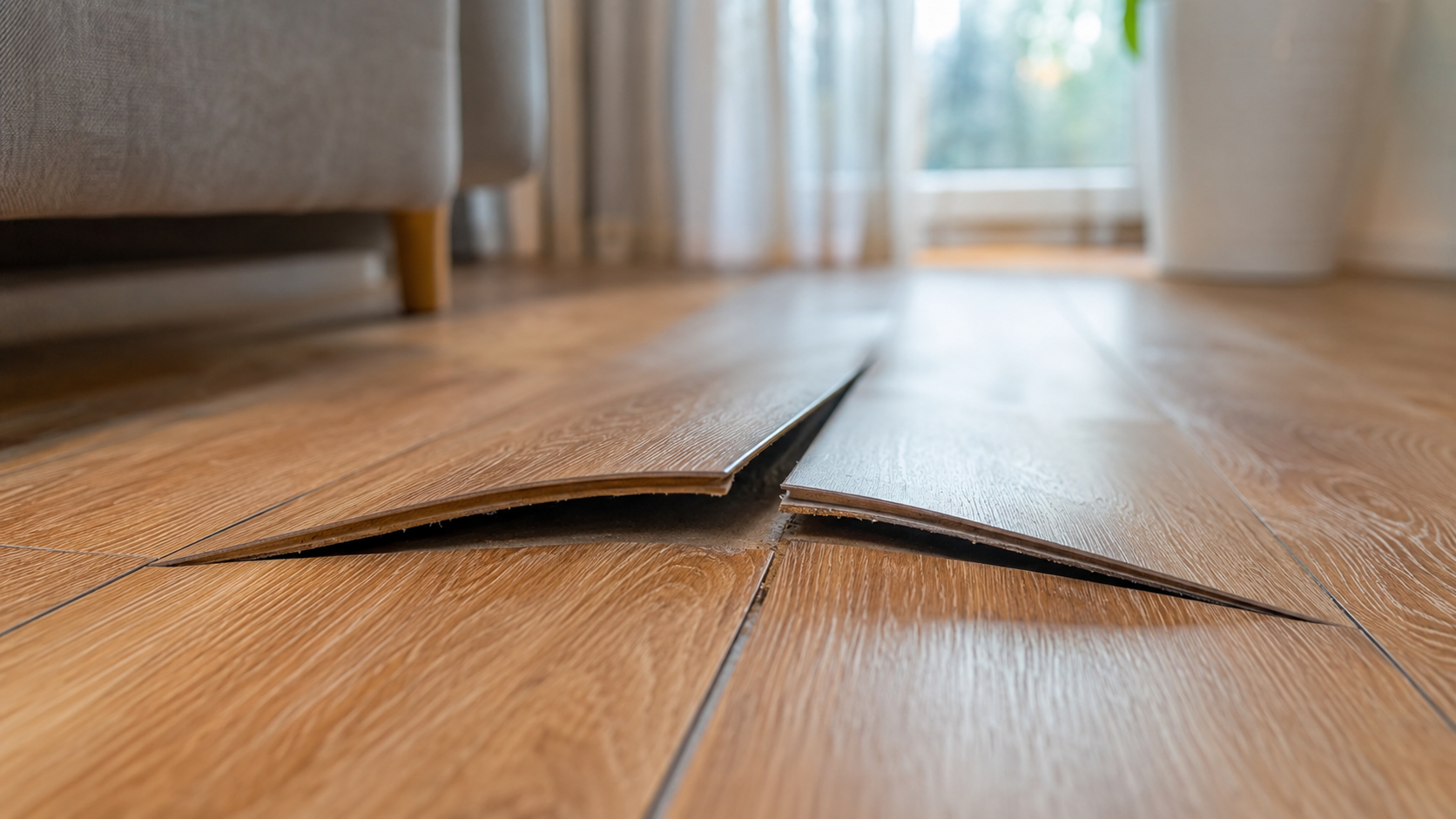
Why Is My Laminate Flooring Lifting? Causes, Fixes & Prevention
Is your laminate flooring lifting, peaking, or buckling? You are not alone and in most cases, it is fixable. This guide covers the most common causes of laminate floor lifting in UK homes, from moi...
Read more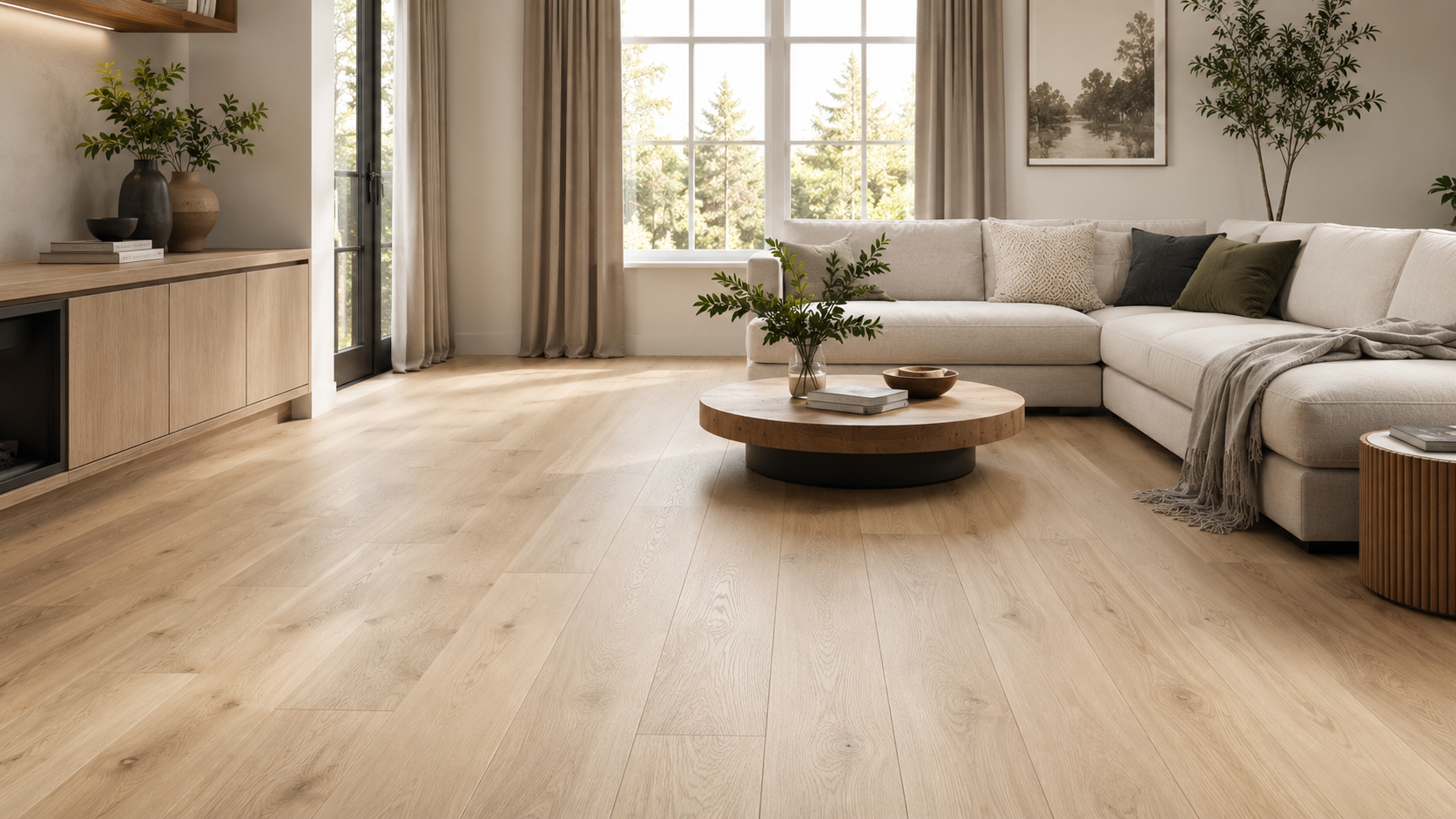
5 Flooring Colours That Make Any Room Look Brighter
The colour of your floor changes how bright and open a room feels more than almost anything else in your home. Discover how light medium dark grey and white flooring each transform a s...
Read more


Leave a comment
This site is protected by hCaptcha and the hCaptcha Privacy Policy and Terms of Service apply.